Employee Engagement Is Becoming a Business Strategy | optiBPO
Employee Engagement Is Becoming a Business Strategy, Not Just an HR Initiative
The workplace is changing.
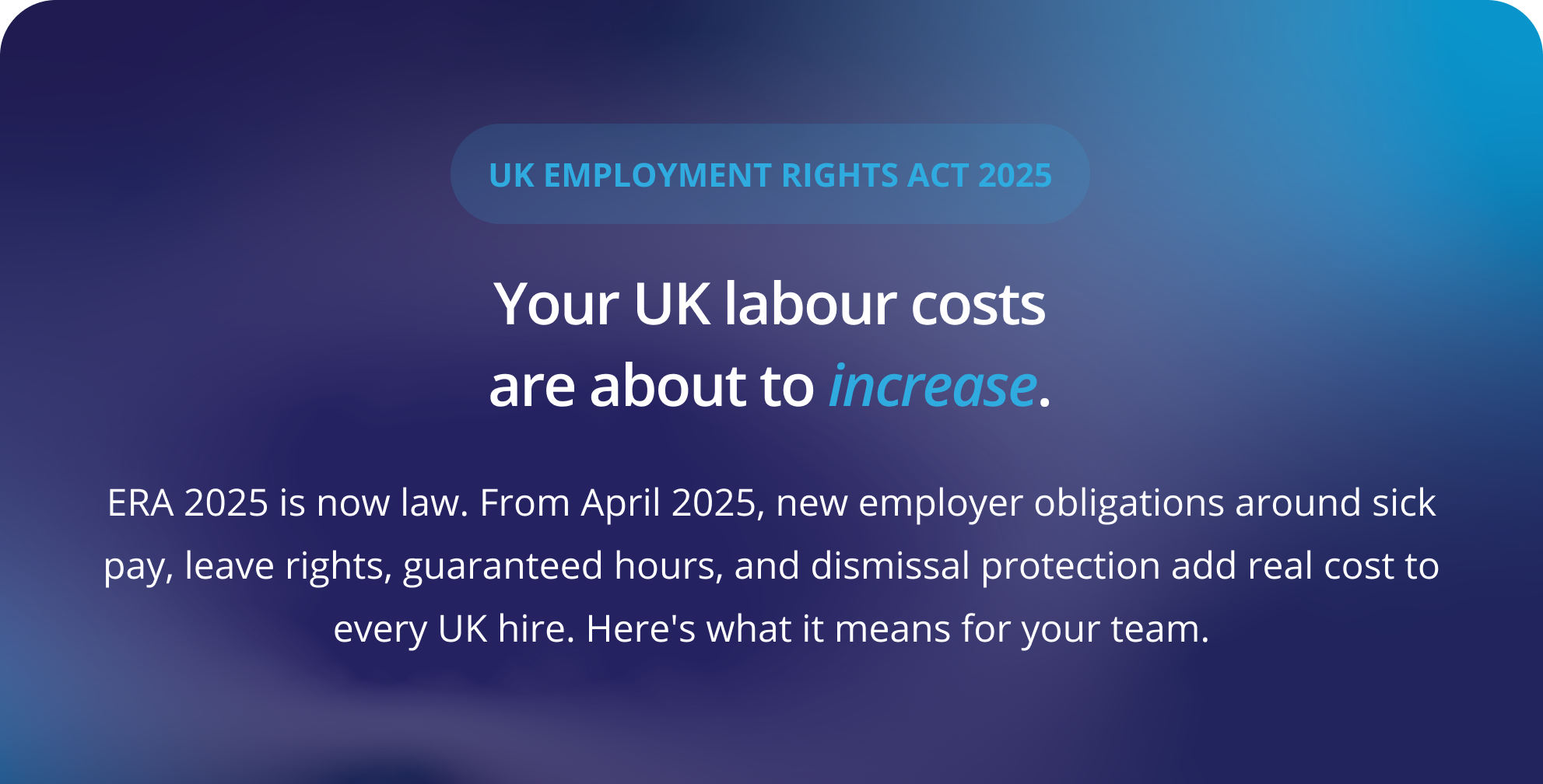
Across the UK, businesses are preparing for a new employment landscape shaped by the Employment Rights Act 2025, with reforms being introduced throughout 2026 and 2027.
Some of these changes affect areas such as Statutory Sick Pay, parental leave, workplace protections, whistleblowing and unfair dismissal. The UK Government is introducing the reforms in phases, with further changes expected in 2027.
But beyond the legislation is a bigger business question:
How do you build a workforce that wants to stay, contribute and perform?
The answer increasingly comes down to employee engagement.
Engagement Is More Than Employee Happiness
Employee engagement is sometimes treated as an HR initiative.
Team events.
Surveys.
Awards.
Company activities.
These things can be valuable, but engagement goes much deeper.
An engaged employee understands their role, feels connected to the organisation, believes their contribution matters and has a reason to care about the outcome.
Businesses don’t simply need people to complete tasks.
They need people who take ownership.
People who communicate.
People who solve problems.
People who care about customers.
People who want to improve.
And people who want to stay.
The Employment Landscape Is Raising the Bar
The Employment Rights Act 2025 is introducing significant changes to the UK employment framework.
From April 2026, changes included Statutory Sick Pay being payable from the first day of absence for eligible employees, expanded unpaid parental leave entitlements and the establishment of a new Fair Work Agency. Further reforms are expected in 2027, including changes to the qualifying period for ordinary unfair dismissal.
These changes are not simply compliance issues.
They reflect a broader shift in expectations around work.
Employees increasingly expect organisations to take their experience seriously.
And businesses that want to attract and retain good people need to take that seriously too.
But Engagement Becomes More Important When Teams Become Global
This creates an interesting challenge for businesses operating internationally.
How do you maintain culture when employees work in different countries?
How do you create connection when teams aren’t sitting in the same office?
And how do you make an offshore employee feel like part of the company rather than simply an external resource?
This is where the quality of your BPO partner matters.
Outsourcing shouldn’t mean outsourcing your culture.
Your Offshore Team Shouldn’t Feel Outsourced
A successful offshore team shouldn’t feel like a separate workforce.
They should understand your:
Brand.
Customers.
Values.
Expectations.
Goals.
Most importantly, they should feel that they are part of the team.
At optiBPO, we believe employee engagement is part of building a successful offshore operation.
Our approach to outsourcing is designed to help businesses build dedicated teams that become an extension of their organisation.
That means engagement cannot be an afterthought.
It needs to be part of the way the team is built, managed and developed.
Engagement Can Drive Better Business Outcomes
Engagement isn’t just about creating a nicer workplace.
It can influence the things business leaders care about most:
Retention.
Productivity.
Quality.
Customer experience.
Team stability.
Performance.
That’s why businesses should think about employee engagement as a business strategy, not simply an HR programme.
When people understand what they’re working toward and feel connected to the organisation, they are better positioned to contribute to its success.
This becomes particularly important when managing teams across borders.
Our guide on managing onshore and offshore teams highlights the importance of clear communication, openness, feedback and creating a strong team culture across locations.
The Future Is About Building One Team, Wherever People Are
For many UK businesses, the answer isn’t choosing between a UK workforce and an offshore workforce.
It’s building the right combination of both.
Keep the roles that require local presence, leadership and customer proximity where they belong.
Build scalable operational, administrative, technical and support functions where you can access exceptional talent and create additional capacity.
optiBPO helps businesses plan, build and manage dedicated offshore teams in the Philippines across a wide range of functions.
From lead generation and sales support to administration, finance, customer service and other operational functions, businesses can build teams around the work they actually need.
Then bring everyone together around one culture, one set of goals and one customer experience.
That’s what a truly global workforce looks like.
The Question Business Leaders Should Be Asking
The employment landscape is changing.
Employee expectations are changing.
And the way businesses build teams is changing too.
So the question isn’t simply:
“Where can I find more employees?”
It’s:
“How do I build a workforce where people want to perform?”
Because you don’t just need more people.
You need engaged people.
And whether your employees are in London, Manchester, Sydney or Pampanga, the principle remains the same:
People perform better when they feel like they belong.
At optiBPO, we help businesses build global teams designed not just to work, but to become a genuine extension of their organisation.
Engaged people. Better business.